|
I've been an NPR listener since I was a child, so I have long loved audio storytelling, and I love that podcasts have revitalized audio and brought it to a larger audience. I am a voracious podcast-listener — one of the few benefits of a long commute — and I'm eager to bring this option to my journalism students.
As part of my quest to become a better multimedia journalism adviser, my focus this week was on learning basic podcasting skills. After reviewing a number of excellent sites about the nature of audio, it was time to craft my own short podcast episode. I decided to use this opportunity to create a short episode about California's little-known Leonard Law, a unique state statute that protects the state's private high school and post-secondary students' freedom of speech.
2 Comments
Key Words: camera operations, photography, photojournalism
Dear Journalism Students, I have a confession. Until the past two weeks, I really didn't know how to use a camera. I mean, sure, I knew how to point and click and use those handy automated settings — I even knew, in theory how to use the more sophisticated automated settings of aperture and shutter priority. But full manual mode? Let's just say that I've been faking it until I make it. Keywords: advising, multimedia, journalism
When I started advising a scholastic newspaper, I was pretty sure that if I learned how to write like a journalist, I would be well on my way to a successful program. I wasn’t entirely wrong. Mastering news-writing skills is crucial for new journalists, and learning to write like a journalist means learning how to write well. As Tim Harrower points out in “Inside Reporting,” the lessons Hemingway learned during his time on the Kansas City Star “were the best rules [he] ever learned for the business of writing.” But the days when narrow rows of text ruled journalism are past. Today’s journalists need more than words to engage and inform their readerships. A version of this blog was originally published on jeasprc.org Dec. 3, 2017.
Private school students do not have First Amendment protections, but that doesn’t mean they have no options. In fact, some private high school students enjoy robust press freedom. I am fortunate to advise a program at a school that has won the First Amendment Press Freedom Award the past two years. At the recent Dallas convention, my editor-in-chief Cybele and I presented a workshop to help students at other private schools make a case to their administrations for press freedom in the hopes more private schools journalism programs will join the list of FAPFA recipients in the future. If your program is in California or Rhode Island, you should start by looking at your state laws. Unlike most New Voices legislation, which applies to public school students, both of these states have additional laws to protect private school journalists. Even without a legal recourse, however, students can make a strong case for press freedom in other ways. Takedown requests: when the right to preserve history conflicts with the desire to forget it9/20/2017 A version this blog was originally published on sprc.org on Sept. 20, 2017.
As more student newspapers move to digital platforms, editors and advisers are facing a new and insidious form of post-publication censorship: takedown requests. The requests usually go something like this: “I was a student at [fill in name] high school [fill in number] years ago, and I was interviewed/wrote a story/was in a photo/made a comment that I regret now. I don’t want this showing up in Google searches. Please remove this story from your site.” This hypothetical student may not know it, but her request is part of a much larger conversation about honoring individual privacy versus preserving the historical record. |
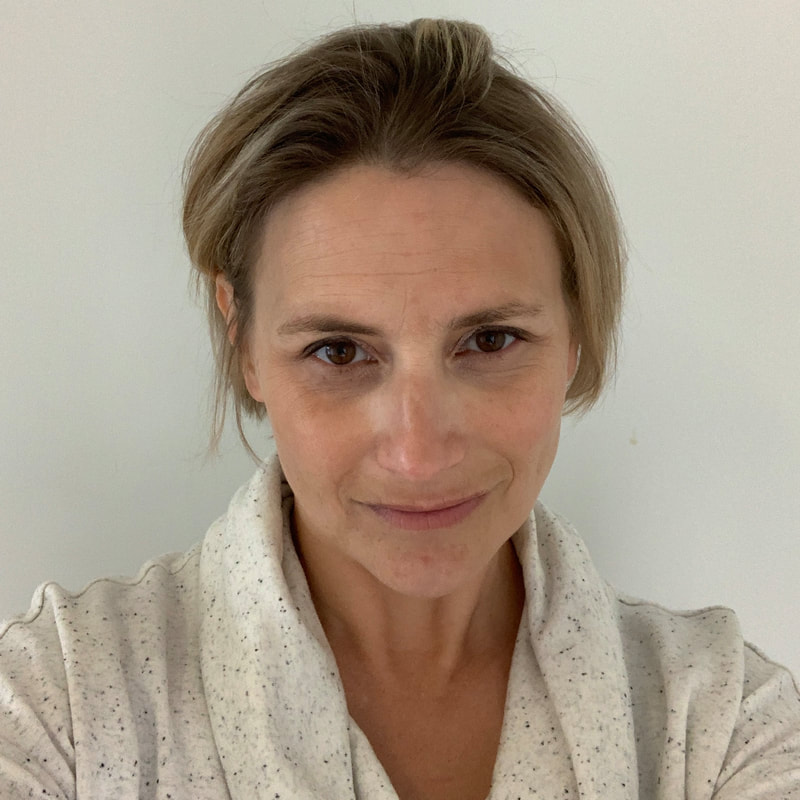
About“And though she be but little, she is fierce!” -A Midsummer Night’s Dream Archives
September 2026
Categories
All
|
 RSS Feed